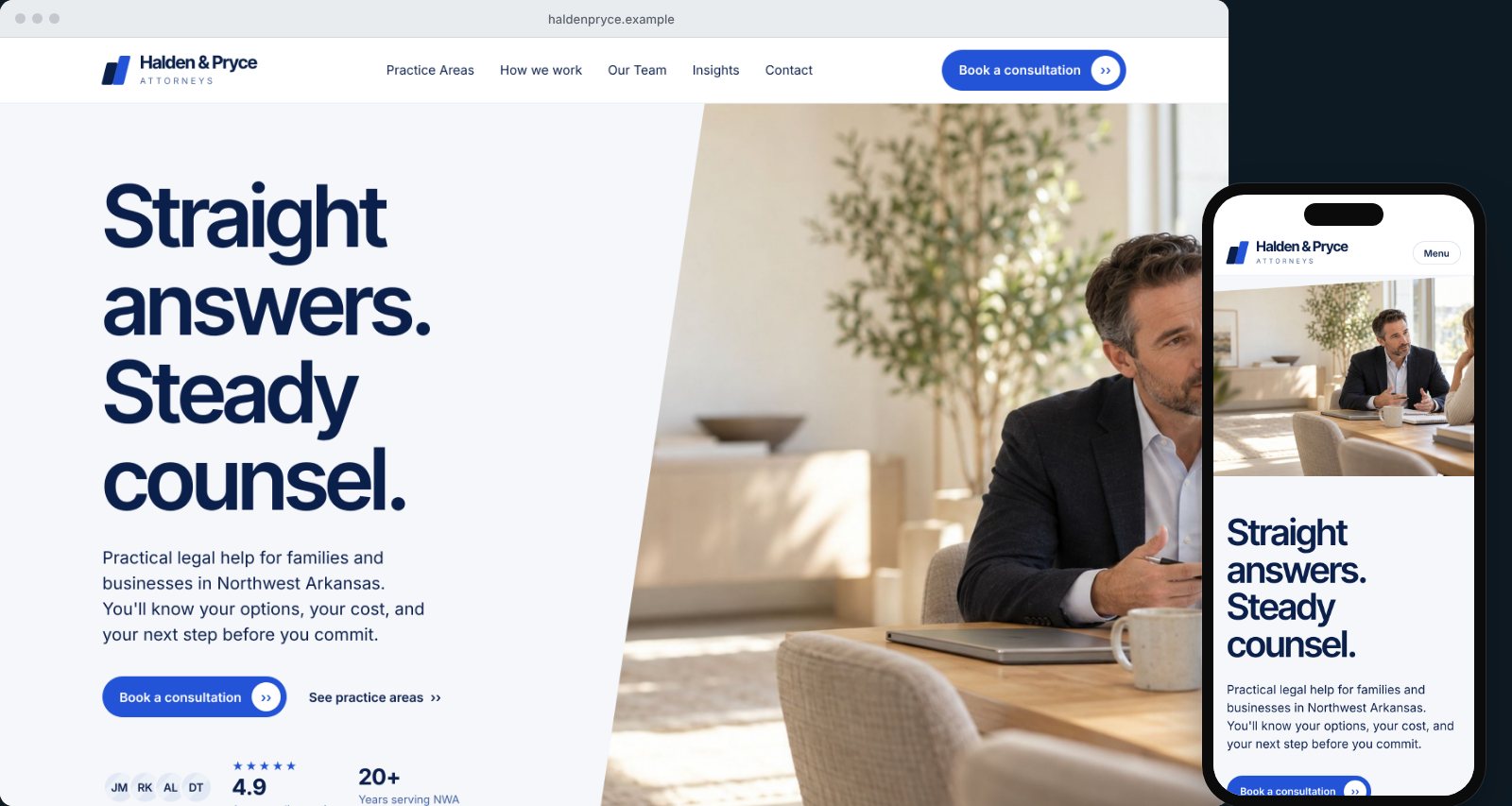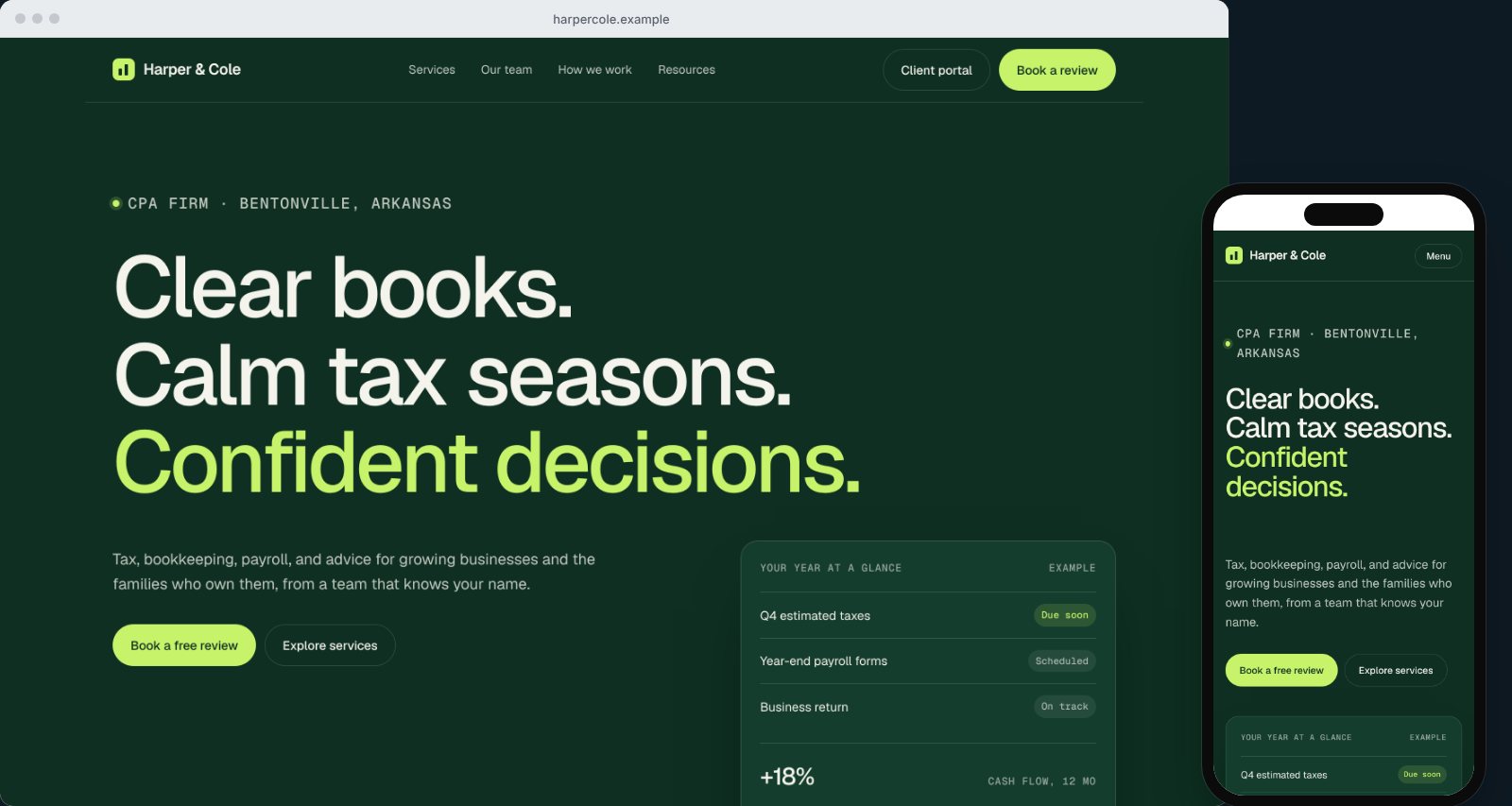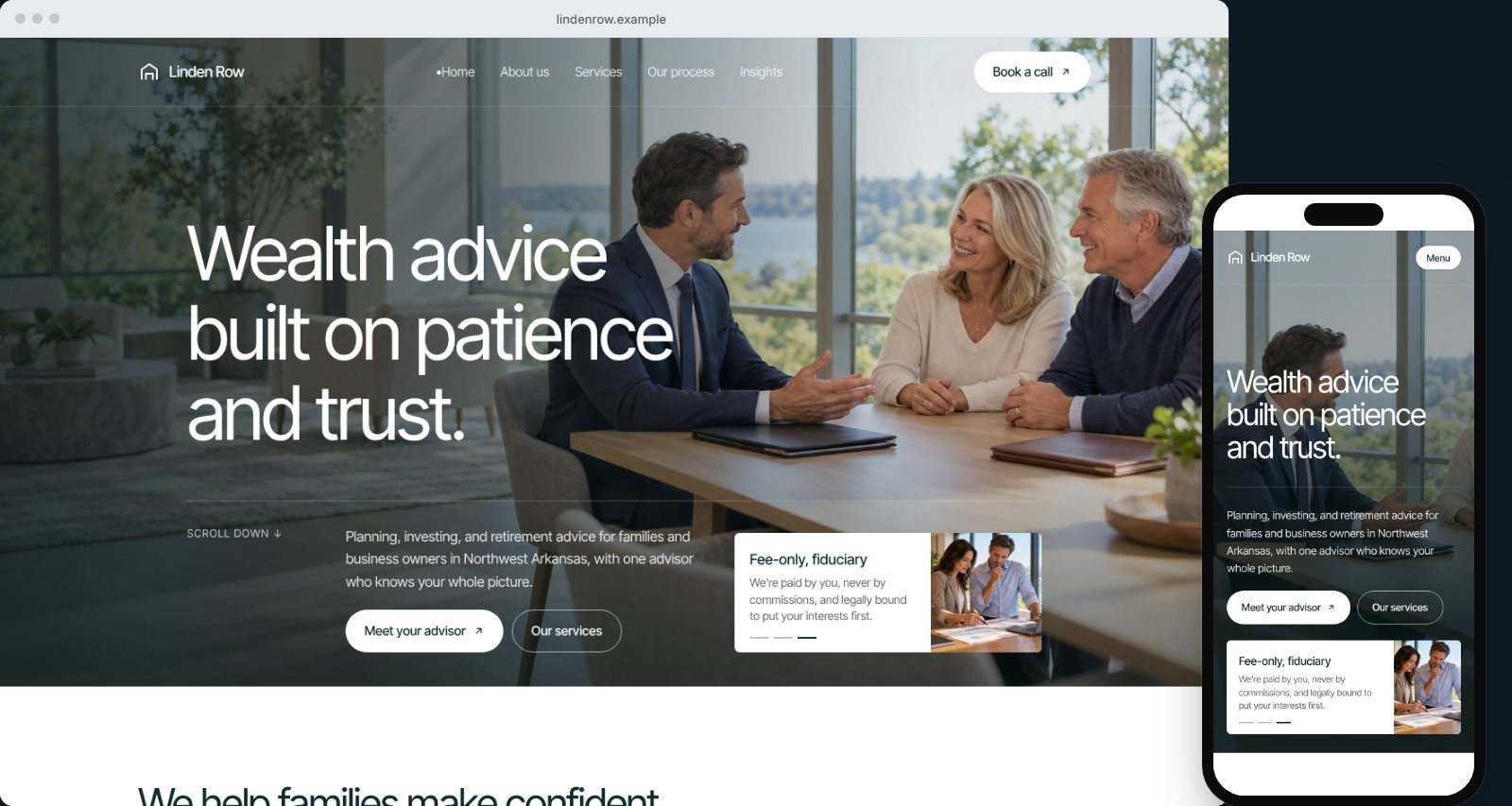
People trust financial advisors with their life savings. Before they'll even book a call, they want to know who you are, how you're paid, and whether you understand someone like them.
Key takeaways
- Prospects research advisors online before the first meeting, and many check again afterward.
- Clarity about who you serve and how you're paid builds trust faster than any slogan.
- Credentials, process, and a real face behind the advice matter most.
- Compliance belongs in the plan from the start, not as an afterthought.
Your website is part of their due diligence
Referrals still drive a lot of advisory business, but a referral now comes with homework. In a study by the Financial Planning Association and LinkedIn, 77% of investors said they used search engines to research advisors before meeting them, and many older clients said they did their online due diligence after the first meeting, before committing.
Consumers are also more skeptical than ever. CFP Board's 2025 research found 93% of Americans verify financial advice they find online before acting on it. A credible, specific, well-designed website is part of how you pass that check.
Say who you serve
"Comprehensive wealth management for individuals and families" describes nearly every firm in America. The advisors who grow fastest online are specific: pre-retirees in Northwest Arkansas, physicians, business owners planning an exit, or families navigating an inheritance.
A clear niche makes your homepage, service pages, and content sharper, and it helps the right prospects recognize themselves immediately. Our sample wealth management homepage leads with a plain promise and a short line on exactly who the firm helps.
Be clear about how you're paid
Few things build trust faster than transparency about compensation. If you're fee-only, say so prominently and explain what it means. If you charge a flat fee, a percentage of assets, or a combination, describe it plainly. If you have account minimums, list them. Prospects who understand your model before the first call are better fits and easier to serve.
Service pages that answer real questions
Instead of one long services list, give each major offering its own page, built around the questions clients actually ask:
- Retirement income planning: When can I retire? How much can I spend? Will it last?
- Investment management: How do you invest, and how do you manage risk?
- Business owner planning: How do I plan for selling or succeeding my business?
- Tax-aware planning: How do withdrawals, Social Security, and Roth conversions fit together?
Our sample retirement income page is built exactly this way: the three questions every retiree asks, answered in plain English, with the planner's portrait and credentials right alongside.
Trust signals for financial advisors
- Credentials: CFP®, CFA, ChFC, and others, explained briefly for people who don't know what they mean.
- Real photos of you and your team, not stock images of handshakes.
- Your process: a step-by-step explanation of how working together actually works.
- Regulatory transparency: links to your Form ADV or BrokerCheck, and required disclosures in the footer.
- Client feedback, where permitted and properly disclosed.
Build compliance in from the start
Financial advisor websites carry rules most industries don't. Registered investment advisers fall under the SEC Marketing Rule, which allows testimonials and endorsements only with specific disclosures and oversight. Broker-dealers follow FINRA advertising rules. Performance claims, ratings, and third-party awards all come with conditions.
The practical approach is to plan for compliance review before launch: keep a clean disclosures section, avoid promissory language, and route new content through your compliance process. Our sample financial sites include a footer disclosure area for exactly this reason.
Make the first step easy
A free 20 to 30 minute introductory call is the standard first step for most advisors, and it should be one click away from every page. Keep the request form short: name, contact details, where they are in life (for example, "five to ten years from retirement"), their main question, and the best time to call. Ask people not to share account numbers or Social Security numbers. See our sample consultation page.
Getting found locally
- Complete your Google Business Profile with the right category, such as "Financial Planner" or "Financial Consultant."
- Publish helpful articles that answer real client questions. They build trust and bring in search traffic.
- Keep your firm details consistent across Google, LinkedIn, and professional directories.
- Make sure your site is fast and easy to read on a phone, since many prospects check you out between meetings.
Common financial advisor website mistakes
- Generic stock imagery. Sailboats, sunsets, and couples on beaches appear on thousands of advisor sites. Real photos of you and your office stand out.
- Hiding how you're paid. Prospects notice when compensation is unclear, and it erodes trust before the first call.
- Jargon-heavy service descriptions. Many clients don't know what "holistic wealth management" means. Explain what you do in the words clients use.
- Publishing without compliance review. A testimonial or performance claim that hasn't been reviewed can create real regulatory risk.
- No clear first step. Make the introductory call easy to find and explain exactly what it covers.
Use education to build trust
People who are weighing an advisor often have the same handful of questions: When can I retire? Should I pay off my mortgage early? How do Roth conversions work? What happens to my 401(k) when I change jobs? Clear, plain-English articles on these topics give prospects a feel for how you think and explain things.
Educational content is also one of the most natural ways for advisors to earn search traffic. Keep articles general rather than individualized advice, include appropriate disclosures, and route them through your compliance process. A short monthly article or a quarterly market letter, posted to your site and shared by email, keeps your name in front of prospects and clients alike.
How FreshSite builds financial advisor websites
FreshSite builds custom websites for independent advisors, RIAs, and wealth management firms with service pages, advisor bios, consultation flows, disclosure areas, and search basics included, then hosts, secures, and maintains them for one monthly price. Plans start at $59 a month with a $299 setup fee. We build the site; your compliance team reviews the content.
See more on our financial services websites page, or tell us about your firm.
Frequently asked questions
What should a financial advisor website include?
A clear description of who you serve and how you're paid, service pages for planning, investment management, and retirement income, advisor bios with credentials, an explanation of your process, required regulatory disclosures, and a simple way to schedule an introductory call.
Can financial advisors use testimonials on their website?
Under the SEC Marketing Rule, registered investment advisers can use testimonials and endorsements if they meet specific disclosure and oversight requirements. Broker-dealers follow FINRA rules. Requirements depend on your registration, so have your compliance team or provider review any testimonials before publishing.
Should advisors list their fees on their website?
Being transparent about how you're paid, such as fee-only, flat fee, or a percentage of assets, builds trust and attracts better-fit prospects. Many firms share their fee structure or minimums even if they don't publish exact pricing.
How do financial advisors get more clients from their website?
Define a niche, answer your ideal clients' real questions in plain language, make credentials and process easy to find, and offer a low-pressure first step like a free 20 to 30 minute consultation. Then make sure the site loads fast and is easy to use on a phone.